By the Carquired teamPublished
Pricing guides like Kelley Blue Book and Edmunds give you an estimated range. Comparable local listings show what sellers are asking. Instant online offers and in-person appraisals tell you what someone will actually pay. Use the estimates to understand the range, then get at least three real offers on the same day and take the best one you trust.
Estimate vs offer
An estimate says what cars like yours tend to sell for. An offer says what a specific buyer will pay for your car, today. They are rarely the same number, and the gap is widest for cars with problems, high miles or title issues.
1. Pricing guides
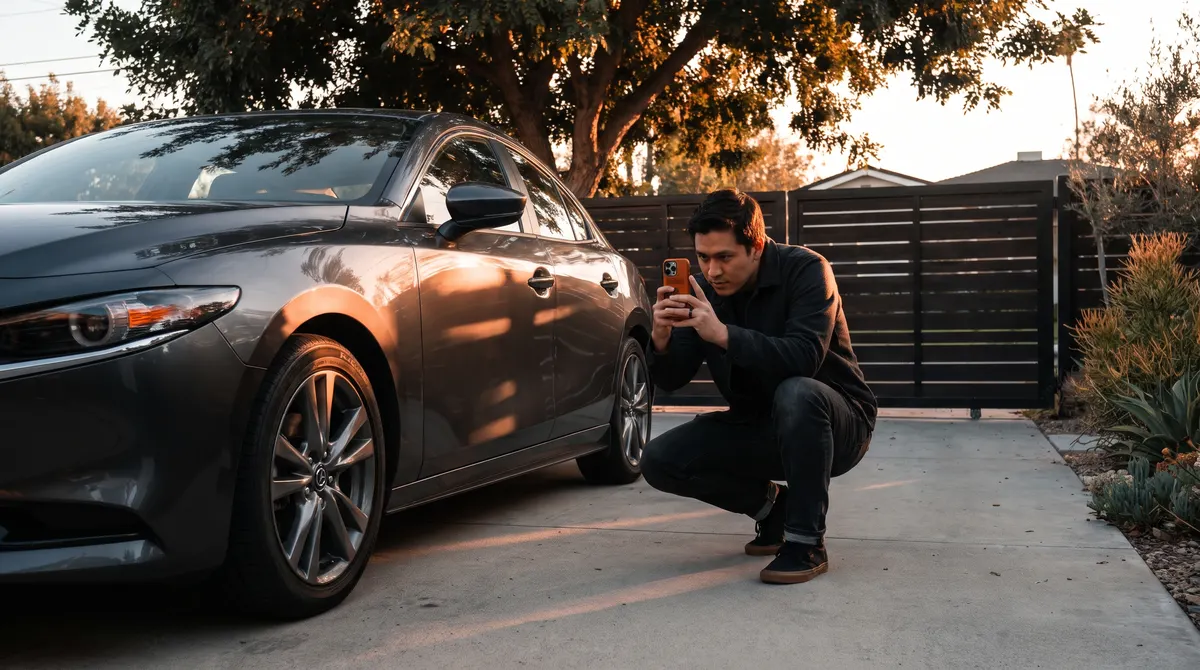
Kelley Blue Book, Edmunds and J.D. Power publish value ranges based on year, make, model, trim, mileage, options and condition. Choose the condition honestly. Most cars that people think are “excellent” are “good”.
Get your cash offer
Takes about two minutes. Costs nothing.
Your details go to Carquired only. We never sell or share them.
2. Comparable local listings
Search for the same model, a similar year and similar miles near you. Remember listings are asking prices, not selling prices. Cars often sell for less than they are listed at.
3. Instant online offers
CarMax, Carvana, Kelley Blue Book’s Instant Cash Offer and local buyers like Carquired will give you a real offer online in minutes. More on how they compare in CarMax vs Carvana vs a local buyer and the KBB Instant Cash Offer, explained.
4. A dealer appraisal
A dealer will appraise your car in person, often as part of a trade-in. Ask for the number in writing and on its own, separate from any new car deal. In California a trade-in does not reduce your sales tax, so compare it directly with cash offers. See sell or trade in.
5. A local cash buyer
A local buyer sees the car in person and prices it as it is, which helps when the car has issues an algorithm prices harshly. Carquired gives you an offer online in about two minutes and pays you on the spot at pickup.
What moves the number
- Mileage and age. The biggest drivers for most cars.
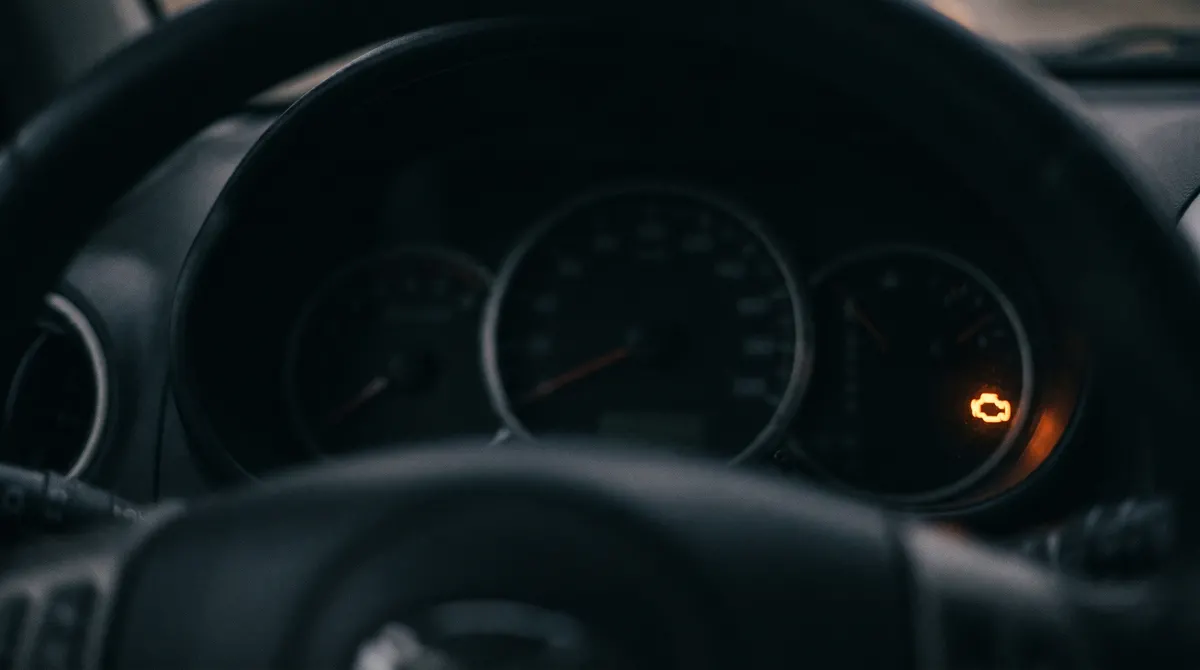
- Condition. Warning lights, damage, worn tires and interior wear all count.
- Title status. A salvage or revived salvage history lowers value. See salvage vs rebuilt titles.
- Accident history. A clean history report helps.
- Running and driving. A car that does not run is priced very differently.
- Local demand. Some models sell faster in some areas than others.

Southern California factors
A few things matter more here than elsewhere. Smog compliance affects how easily a car can be resold, so a car that will not pass is worth less. Years of sun take a toll on paint, dashboards and trim. And long freeway commutes mean higher miles. None of these stop a sale. They just shape the number.
This guide is general information, not legal or financial advice.