By the Carquired teamPublished
After you sell a car in California, file a Notice of Transfer and Release of Liability (NRL) with the DMV within 5 calendar days. You need the new owner’s name and address, your plate number, the last five digits of the VIN, the odometer reading and the date of sale. File it online, then print or save the confirmation.
What the release of liability does
The NRL tells the DMV that the car is no longer yours as of the date of sale. Once the DMV has it, liability for parking tickets, traffic violations and civil lawsuits involving the car after that date becomes the buyer’s responsibility, under California Vehicle Code section 5602. The DMV also stops mailing you registration renewal notices for that car.
What it does not do is transfer ownership. Your name only comes off the vehicle record when the buyer submits the title you signed and pays the transfer fees. Buyers are supposed to do that within 10 days, but not all of them do. The NRL is what protects you in the meantime, and if they never do.
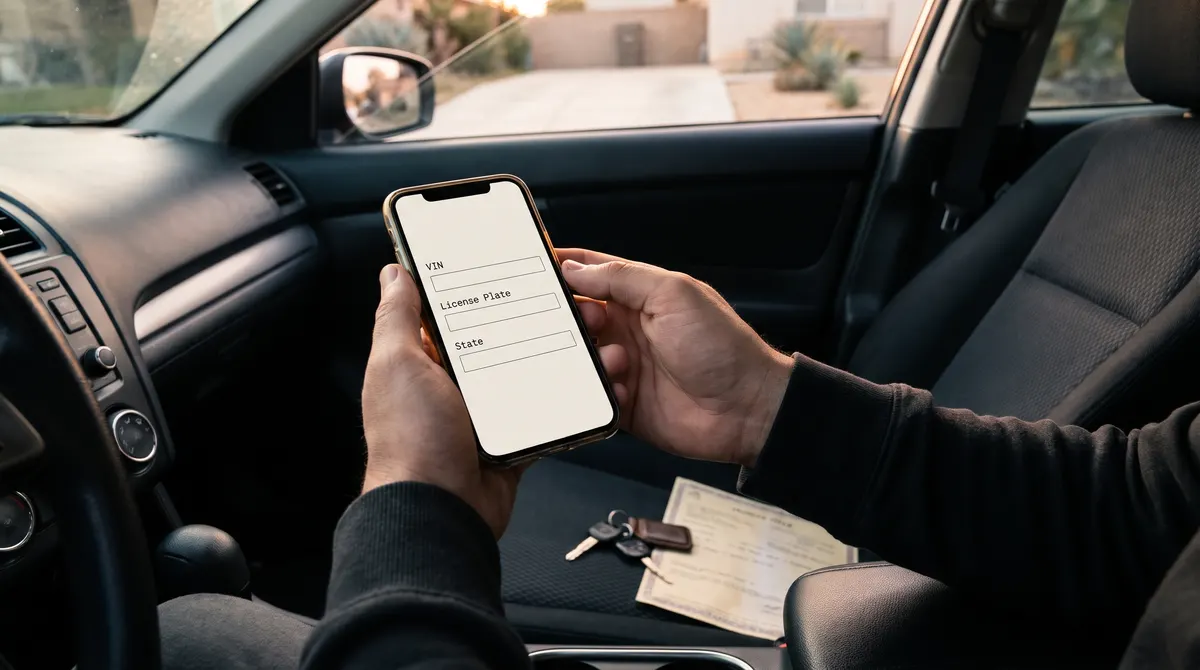
The 5-day deadline
The law (Vehicle Code section 5900) gives you 5 calendar days from the day you sell the car and hand it over. Not business days. If you sell on a Friday, the clock is already running through the weekend.
There is no good reason to wait. A buyer who drives through a toll lane, parks illegally or gets into an accident on day two can create problems that trace back to the registered owner. Filing the same day, ideally before the buyer drives away, is the simplest habit to build.
Get your cash offer
Takes about two minutes. Costs nothing.
Your details go to Carquired only. We never sell or share them.
What you need before you start
Collect these at the sale, while the buyer is still in front of you:
- The new owner’s full name and address. A photo of their driver’s license is the easiest way to get it right.
- Your license plate number.
- The last five digits of the VIN. They are on the title, the registration card and the driver-side dashboard.
- The odometer reading at the time of sale.
- The date of sale.
The online form fills in the make and model year for you from the plate and VIN.
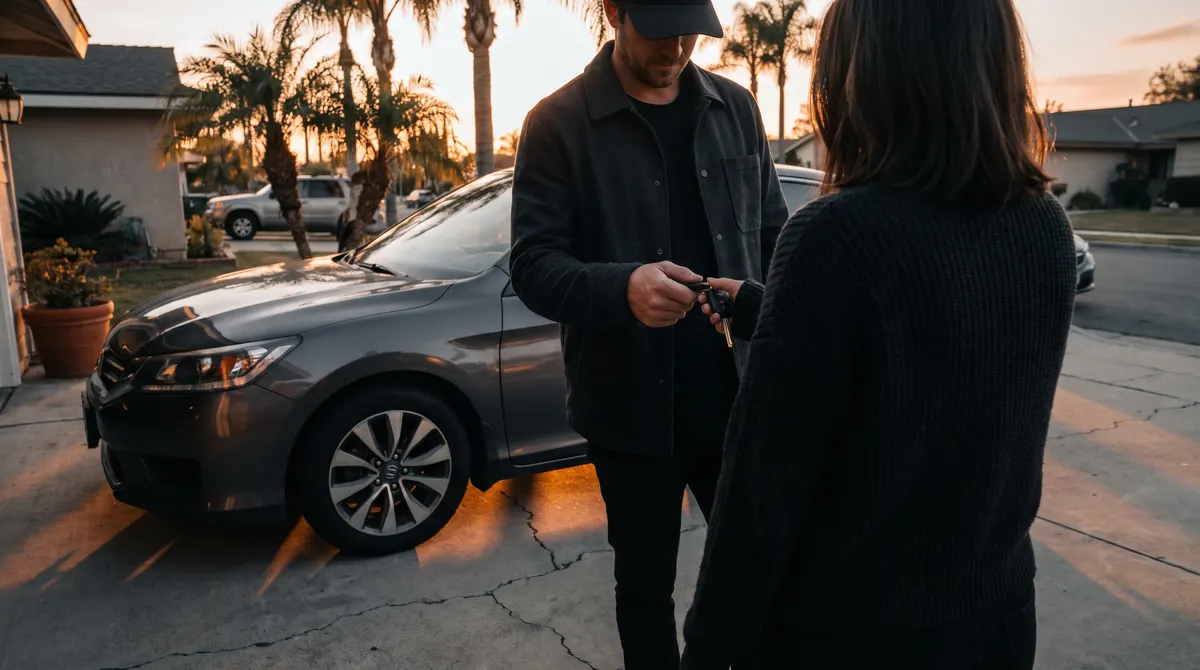
How to file it online, step by step
- Go to the Notice of Transfer and Release of Liability page on the DMV website and start the NRL.
- Enter your plate number and the last five digits of the VIN.
- Enter the new owner’s name and address, the odometer reading and the date of sale.
- Review and submit. Do not leave fields blank, because missing information can stop the DMV from updating the record.
- Save or print the confirmation and keep it with your copy of the bill of sale.
Prefer paper? The same notice is form REG 138, which you can mail to the DMV. Online is faster and gives you a confirmation straight away.
If you do not know the buyer’s details
The DMV lets you enter “unknown” for the buyer’s name and address, but it also warns that missing information may stop it from updating the record, which can cost you the liability protection. That is why the photo of the buyer’s ID matters. If you sold the car a while ago and lost the details, file anyway with everything you do have, and keep any texts or messages that show the sale.
Someone else can file the NRL for you, such as a family member, but you are still responsible if anything is missing. Doing it yourself is the safest option.
Selling to a business instead of a private buyer
Even when you sell to a dealer or a buyer like Carquired, file your own NRL. It is free online, it takes a few minutes, and it is your own proof of the date the car left your hands.
When you sell to us, we give you the buyer details, the odometer reading and the date at pickup, so you can file it on your phone before we drive away. If you still owe money on the car, we pay your lender directly. See how to sign over a California title for the rest of the paperwork.
Other loose ends after you sell
The NRL is the big one, but not the only one. Take your FasTrak transponder out of the car or remove the plate from your toll account, keep a copy of the signed title, and only cancel your insurance once the car is gone and the NRL is filed. The full list is in what to do after you sell a car in California.
Sources: DMV: Notice of Transfer and Release of Liability, DMV: Title transfers and changes. This guide is general information, not legal or tax advice. Rules change, so check the official source for your situation.